

As a BOPP film supplier, I often get asked about how to maintain the transparency of BOPP film. It's a crucial aspect, especially when you're using it for applications where clarity is key, like packaging or printing. In this blog, I'll share some practical tips and insights based on my experience in the industry.
Understanding BOPP Film Transparency
First off, let's talk about what makes BOPP film transparent. BOPP, or Biaxially Oriented Polypropylene, is a type of plastic film that's stretched in two directions during manufacturing. This process aligns the polymer molecules, giving the film its strength, clarity, and other desirable properties. The transparency of BOPP film is due to its smooth surface and the way it refracts light. When light passes through the film, it doesn't scatter much, resulting in a clear and sharp image on the other side.
Factors Affecting Transparency
There are several factors that can affect the transparency of BOPP film. Understanding these factors is the first step in maintaining its clarity.
1. Raw Materials
The quality of the raw materials used in the production of BOPP film plays a significant role in its transparency. High - quality polypropylene resin with low levels of impurities will result in a clearer film. When sourcing raw materials, it's important to work with reliable suppliers who can provide consistent quality.
2. Manufacturing Process
The manufacturing process also has a big impact on transparency. The stretching process needs to be carefully controlled to ensure uniform orientation of the polymer molecules. Any irregularities in the stretching can lead to cloudiness or haze in the film. Temperature, speed, and tension during the manufacturing process all need to be optimized for the best transparency.
3. Storage Conditions
How you store BOPP film can also affect its transparency. Exposure to high humidity, extreme temperatures, or direct sunlight can cause the film to degrade and lose its clarity. It's best to store BOPP film in a cool, dry place away from direct sunlight.
4. Surface Contamination
Dirt, dust, or other contaminants on the surface of the film can reduce its transparency. When handling BOPP film, it's important to keep it clean. Use clean gloves and work in a clean environment to prevent contamination.
Tips for Maintaining Transparency
1. Choose the Right Film
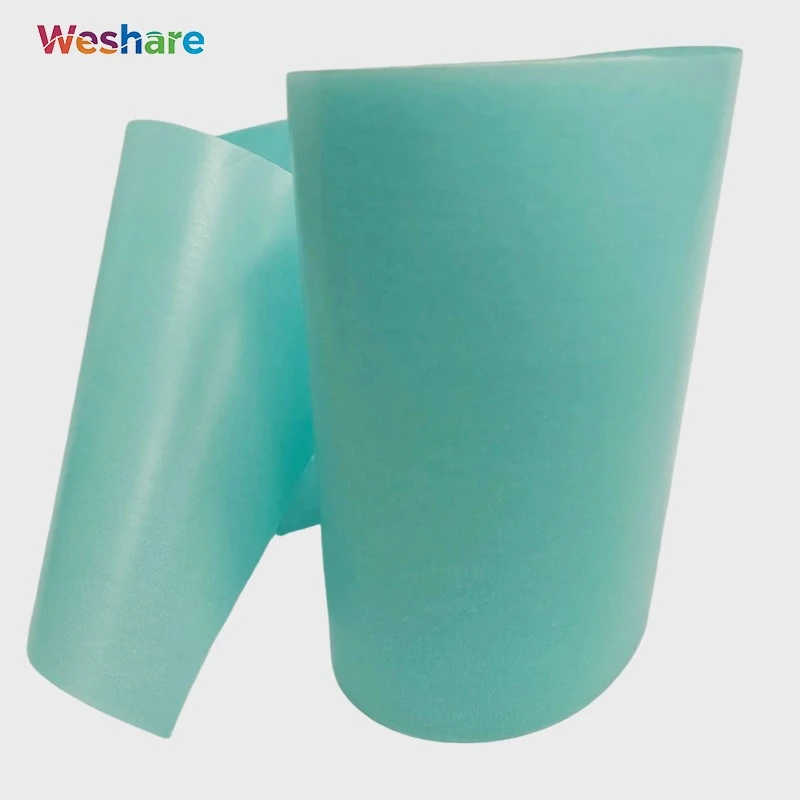
Not all BOPP films are created equal. If transparency is your top priority, look for films that are specifically designed for high - clarity applications. For example, BOPP Film for Lamination is often formulated to provide excellent transparency for laminating documents or products.

2. Control the Environment
As mentioned earlier, storage and handling environments are crucial. Keep the film in a controlled environment with stable temperature and humidity. If you're using the film in a manufacturing process, make sure the production area is clean and free of dust.
3. Proper Handling
When handling BOPP film, be gentle. Avoid scratching or creasing the film, as these can cause light to scatter and reduce transparency. Use proper equipment and techniques to handle the film, such as roller conveyors or vacuum pick - up systems.
4. Regular Inspections
Regularly inspect the BOPP film for any signs of damage or degradation. Check for cloudiness, scratches, or other defects. If you notice any issues, address them immediately to prevent further deterioration.
5. Clean the Film
If the film gets dirty, clean it carefully. Use a mild detergent and a soft cloth to gently wipe the surface. Avoid using abrasive materials or harsh chemicals, as these can damage the film and reduce its transparency.
Applications of Transparent BOPP Film
Transparent BOPP film has a wide range of applications, and maintaining its transparency is essential for the success of these applications.
1. Packaging
In the packaging industry, transparent BOPP film is widely used for food packaging, consumer goods packaging, and more. It allows consumers to see the product inside, which is important for marketing and product visibility. For example, BOPP Film for Flexible Packaging is commonly used for wrapping snacks, candies, and other food items.
2. Printing
BOPP film is also used in printing applications, such as garment printing and UV printing. In these applications, the transparency of the film affects the quality of the printed image. BOPP Film for Garment Printing and BOPP Film for UV Printing need to have high transparency to ensure sharp and clear prints.
3. Heat Transfer
BOPP Heat Transfer Film is used for transferring images or designs onto various surfaces. The transparency of the film is important for accurate transfer and a high - quality finish.
Working with a Reliable Supplier
As a BOPP film supplier, I understand the importance of providing high - quality, transparent films. When you're looking for a supplier, make sure they have a good reputation for quality control and customer service. A reliable supplier will be able to provide you with films that meet your specific requirements for transparency and other properties.
If you're interested in purchasing BOPP film for your applications, feel free to reach out. We can discuss your needs in detail and provide you with samples and pricing. Maintaining the transparency of BOPP film is a shared responsibility between the supplier and the user. By following the tips I've shared in this blog, you can ensure that your BOPP film retains its clarity and performs well in your applications.
References
- "Biaxially Oriented Polypropylene (BOPP) Films: Properties, Applications, and Market Trends" - Industry report on BOPP films.
- "Plastic Film Technology Handbook" - A comprehensive guide on plastic film manufacturing and properties.